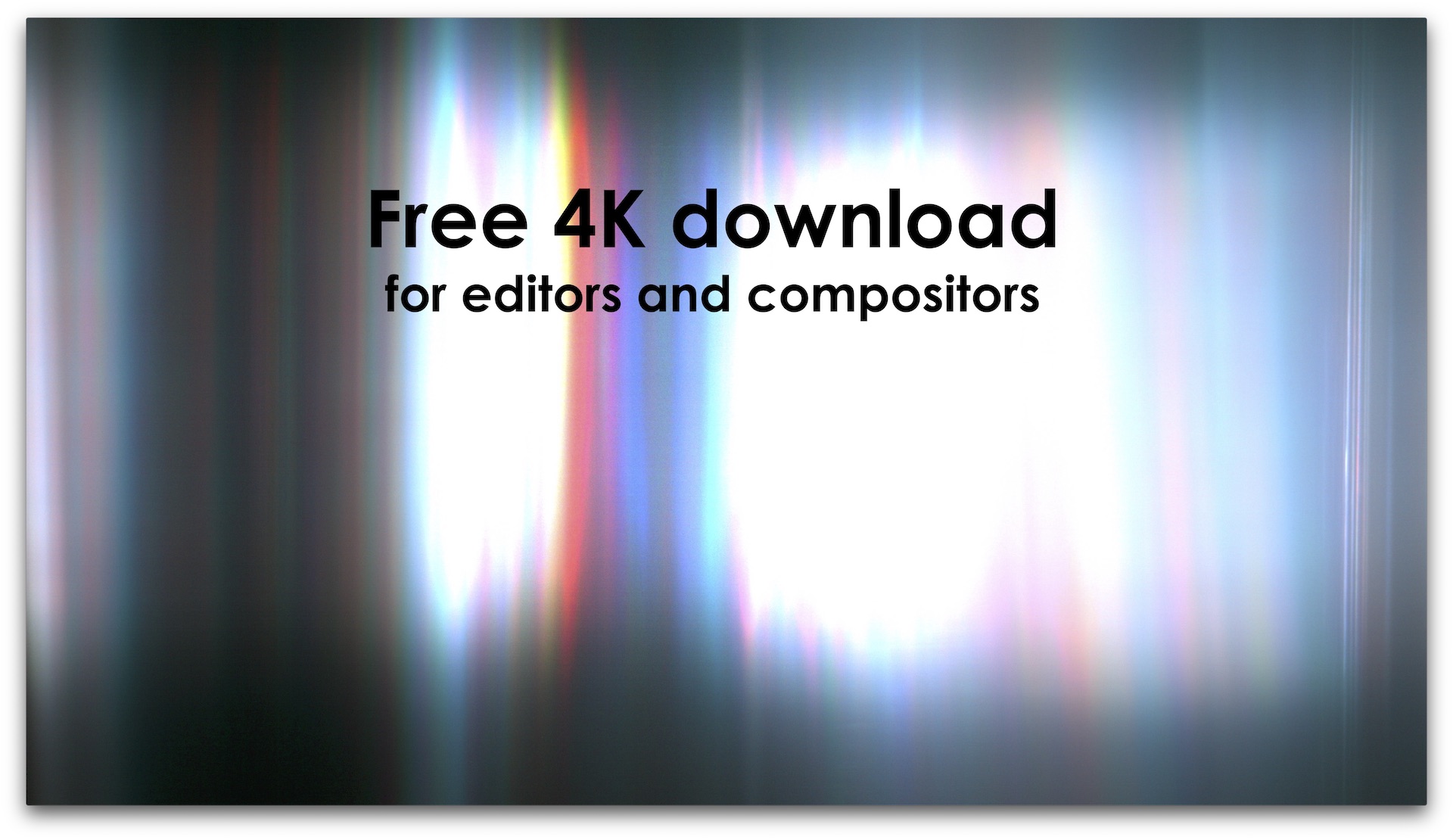
These are some really cool and useful prism light leak wipes. There are many different versions in this download. As ever, these are not CGI nor a plug in. Rather these were shot in 4K using crystals and glass to defract the light. Ideal to wipe between shots or use as an overlay on top of other footage. Personally I find the 'screen' compositing method to work best, but 'add' can really boost it and work well also.
As always, it is available for free via Creative Commons, details below.
I've collected up all my light leaks and clips on to special pages, accessed via the top of the blog. HD Leaks. HD Flares. 4K Leaks. 4K Sparkles.
So far these have been downloaded well over 900,000 times! And used in TV shows on NatGeo, Discovery and BBC1. As well as games, apps, movie trailers and indie films. And best of all, in HBO's Watchmen show!
You can download it as a 4K Mp4 from here (135MB in size):
If you are using these clips for a commercial project with a budget then get in touch. I make the leaks free for non-commercial use (short films etc). Creative Commons details on the main HD leaks page.
If you want to do me a favour because of all this cool stuff - that would be great too. Cheers. A few suggestions...
This is a very colourful and ever shifting light prism effect. There are 3 different versions in this download. Not CGI or and not a plug in, rather this was shot in 4K using crystals and glass to defract the light. Ideal for titles, use as a background or use in After Effects / Premiere for compositing with other images or clips.
As always, it is available for free via Creative Commons, details below.
I've collected up all my light leaks and clips on to special pages, accessed via the top of the blog. HD Leaks. HD Flares. 4K Leaks. 4K Sparkles.
So far these have been downloaded well over 900,000 times! And used in TV shows on NatGeo, Discovery and BBC1. As well as games, apps, movie trailers and indie films. And best of all, in HBO's Watchmen show!
You can download it as a 4K Mp4 from here (111MB in size):
If you are using these clips for a commercial project with a budget then get in touch. I make the leaks free for non-commercial use (short films etc). Creative Commons details on the main HD leaks page.
If you want to do me a favour because of all this cool stuff - that would be great too. Cheers. A few suggestions...
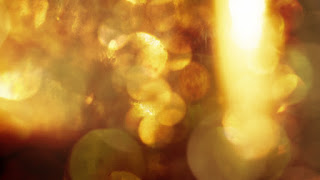
This backdrop or compositing element is real, not CGI. It gives an ever moving image of golden sparkles, with lots of bokeh. Ideal for either compositing over shots or using as a luxurious high end background for text. Has a bit of a festive feel to it too.
As always, it is available for free via Creative Commons, details below.
I've collected up all my light leaks and clips on to special pages, accessed via the top of the blog. HD Leaks. HD Flares. 4K Leaks. 4K Sparkles.
So far these have been downloaded well over 880,000 times! And used in TV shows on NatGeo, Discovery and BBC1. As well as games, apps, movie trailers and indie films. And best of all, in HBO's Watchmen show!
If you are using these clips for a commercial project with a budget then get in touch. I make the leaks free for non-commercial use (short films etc). Creative Commons details on the main HD leaks page.
If you want to do me a favour because of all this cool stuff - that would be great too. Cheers. A few suggestions...
Two clips this time. Same style, just presenting much options and varieties for repeated use in a sequence or timeline.
I call these kaleidoscope sweeps. They show light wiping across a rotating faceted shiny object to create a sweep of light. Speed it up for a faster composition or dissolve, especially effective if laid over a transitional with the 'screen' or 'add' effect.
Here they are to preview...
As always, these are available for free via Creative Commons, details below.
I've collected up all my light leaks and clips on to special pages, accessed via the top of the blog. HD Leaks. HD Flares. 4K Leaks. 4K Sparkles.
So far these have been downloaded well over 900,000 times! And used in TV shows on NatGeo, Discovery and BBC1. As well as games, apps, movie trailers and indie films. And best of all, in HBO's Watchmen show!
If you are using these clips for a commercial project with a budget then get in touch. I make the leaks free for non-commercial use (short films etc). Creative Commons details on the main HD leaks page.
If you want to do me a favour because of all this cool stuff - that would be great too. Cheers. A few suggestions...
This backdrop or compositing element is real, not CGI. It gives an ever moving image of black glitter against a rich gold background. Ideal for either compositing over shots or using as a luxurious high end background for text.
As always, it is available for free via Creative Commons, details below.
I've collected up all my light leaks and clips on to special pages, accessed via the top of the blog. HD Leaks. HD Flares. 4K Leaks. 4K Sparkles.
So far these have been downloaded well over 880,000 times! And used in TV shows on NatGeo, Discovery and BBC1. As well as games, apps, movie trailers and indie films. And best of all, in HBO's Watchmen show!
If you are using these clips for a commercial project with a budget then get in touch. I make the leaks free for non-commercial use (short films etc). Creative Commons details on the main HD leaks page.
If you want to do me a favour because of all this cool stuff - that would be great too. Cheers. A few suggestions...
This clip is full of golden and colourful bokeh over a dark rich background. Brings to mind commercials for coffee or chocolate or luxury goods. Ideal as a background for titles or to composite over pack shots etc.
As always, it is available for free via Creative Commons, details below.
I've collected up all my light leaks and clips on to special pages, accessed via the top of the blog. HD Leaks. HD Flares. 4K Leaks. 4K Sparkles.
So far these have been downloaded well over 880,000 times! And used in TV shows on NatGeo, Discovery and BBC1. As well as games, apps, movie trailers and indie films. And best of all, in HBO's Watchmen show!
If you are using these clips for a commercial project with a budget then get in touch. I make the leaks free for non-commercial use (short films etc). Creative Commons details on the main HD leaks page.
If you want to do me a favour because of all this cool stuff - that would be great too. Cheers. A few suggestions...
A soft gold shimmer in 4K. Ideal as a backdrop for titles. Or as a moving texture.
As always, it is available for free via Creative Commons, details below.
I've collected up all my light leaks and clips on to special pages, accessed via the top of the blog. HD Leaks. HD Flares. 4K Leaks. 4K Sparkles.
So far these have been downloaded well over 880,000 times! And used in TV shows on NatGeo, Discovery and BBC1. As well as games, apps, movie trailers and indie films. And best of all, in HBO's Watchmen show!
If you are using these clips for a commercial project with a budget then get in touch. I make the leaks free for non-commercial use (short films etc). Creative Commons details on the main HD leaks page.
If you want to do me a favour because of all this cool stuff - that would be great too. Cheers. A few suggestions...